


Transform Your Health with Plant-Based Nutrition

In a world where health issues are on the rise, many are turning to plant-based nutrition as a solution. This dietary approach not only promotes better health but also supports environmental sustainability. If you're looking to transform your health, adopting a plant-based diet could be the key.

Understanding Plant-Based Nutrition
Plant-based nutrition focuses on foods derived from plants, including fruits, vegetables, nuts, seeds, oils, whole grains, legumes, and beans. While it doesn’t necessarily mean you must become a vegetarian or vegan, it encourages a significant increase in plant foods in your diet.
Benefits of Plant-Based Nutrition
Improved Heart Health
Studies show that a diet rich in fruits, vegetables, and whole grains can lower the risk of heart disease. Plant-based diets are often lower in saturated fats and cholesterol, which are linked to heart health issues.
Weight Management
Plant-based foods are generally lower in calories and higher in fiber, making them filling without excessive calorie intake. This can help with weight loss and maintenance.
Reduced Risk of Chronic Diseases
Research indicates that plant-based diets can reduce the risk of type 2 diabetes, certain cancers, and hypertension. The antioxidants found in fruits and vegetables play a crucial role in preventing these diseases.
Enhanced Digestive Health
A diet high in fiber from plant foods promotes healthy digestion and regular bowel movements. This can help prevent digestive issues such as constipation and bloating.
Environmental Sustainability
Choosing plant-based foods can significantly reduce your carbon footprint. Animal agriculture is a major contributor to greenhouse gas emissions, while plant farming is generally more sustainable.
Getting Started with Plant-Based Nutrition
Transitioning to a plant-based diet doesn't have to be overwhelming. Here are some practical steps to help you get started:
1. Educate Yourself
Understanding the nutritional aspects of a plant-based diet is essential. Familiarize yourself with the different food groups and their benefits. Resources like books, documentaries, and reputable websites can provide valuable information.
2. Start Slowly
You don’t have to go all-in right away. Begin by incorporating more plant-based meals into your week. Try "Meatless Mondays" or replace one meal a day with a plant-based option.
3. Explore New Recipes
Experimenting with new recipes can make the transition enjoyable. Look for plant-based cookbooks or online resources that offer a variety of dishes. From hearty stews to refreshing salads, the options are endless.
4. Stock Your Pantry
Having the right ingredients on hand makes it easier to prepare plant-based meals. Stock up on staples like:
Whole grains (quinoa, brown rice, oats)
Legumes (beans, lentils, chickpeas)
Nuts and seeds (almonds, chia seeds, flaxseeds)
Fresh fruits and vegetables
5. Listen to Your Body
As you transition, pay attention to how your body feels. You may experience increased energy levels and improved digestion. However, ensure you’re getting enough protein, vitamins, and minerals, especially B12, iron, and omega-3 fatty acids.
Common Misconceptions About Plant-Based Diets
Despite the growing popularity of plant-based nutrition, several misconceptions persist. Here are a few to clarify:
Myth 1: Plant-Based Diets Lack Protein
Many people believe that plant-based diets do not provide enough protein. In reality, there are plenty of plant-based protein sources, including:
Legumes (lentils, chickpeas, black beans)
Tofu and tempeh
Quinoa
Nuts and seeds
Myth 2: Plant-Based Diets Are Expensive
While some specialty plant-based products can be pricey, whole foods like grains, beans, and seasonal vegetables are often more affordable than meat and dairy. Planning meals and buying in bulk can help save money.
Myth 3: You Can’t Get Enough Nutrients
A well-planned plant-based diet can provide all the nutrients your body needs. It’s essential to include a variety of foods to ensure you’re meeting your nutritional requirements.
Meal Ideas for a Plant-Based Diet
Here are some delicious meal ideas to get you started:
Breakfast
Overnight Oats: Combine rolled oats with almond milk, chia seeds, and your favorite fruits for a nutritious breakfast.
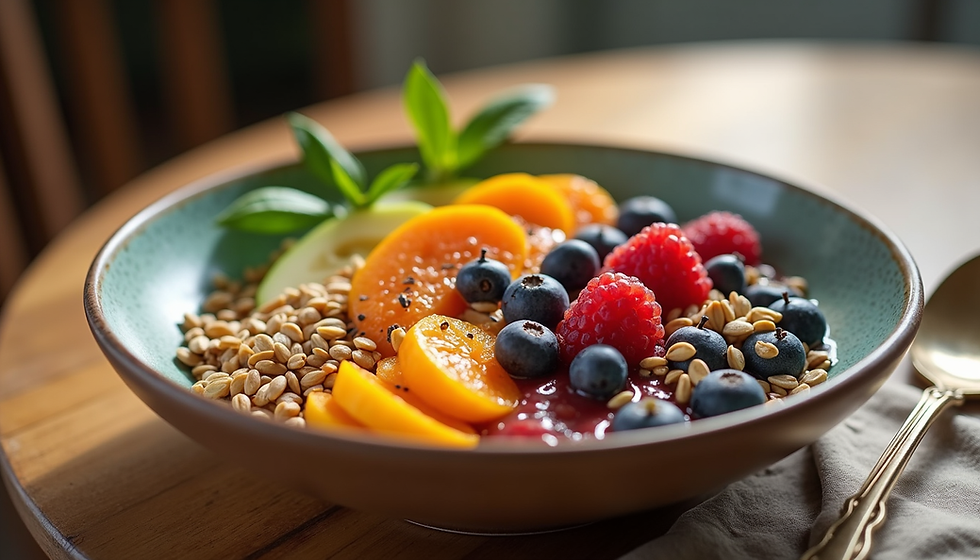
Smoothie Bowl: Blend spinach, banana, and almond milk, then top with granola, nuts, and berries.
Lunch
Quinoa Salad: Mix cooked quinoa with black beans, corn, diced tomatoes, and avocado for a filling meal.
Veggie Wrap: Fill a whole-grain wrap with hummus, spinach, cucumbers, and shredded carrots.
Dinner
Stir-Fried Tofu and Vegetables: Sauté tofu with a mix of colorful vegetables and serve over brown rice.
Lentil Soup: Cook lentils with carrots, celery, and spices for a hearty soup.
Snacks
Hummus and Veggies: Dip carrot sticks, bell peppers, and cucumber slices in hummus.
Fruit and Nut Mix: Combine your favorite nuts with dried fruits for a healthy snack.
Overcoming Challenges
Transitioning to a plant-based diet can come with challenges. Here are some tips to help you navigate them:
Social Situations
Eating out or attending social gatherings can be tricky. Look for restaurants that offer plant-based options or suggest places that cater to your dietary preferences. Don’t hesitate to bring your own dish to share.
Cravings for Animal Products
It’s normal to crave familiar foods. Instead of denying yourself, try to find plant-based alternatives. For example, if you miss cheese, explore nut-based cheeses or nutritional yeast.
Nutritional Concerns
If you’re worried about getting enough nutrients, consider consulting a registered dietitian. They can help you create a balanced meal plan that meets your needs.
The Long-Term Benefits of Plant-Based Nutrition
Adopting a plant-based diet can lead to long-term health benefits. Research indicates that individuals who follow plant-based diets tend to have lower body mass indexes (BMIs) and reduced risks of chronic diseases. Additionally, many report improved energy levels and overall well-being.
Building a Support System
Connecting with others who share your dietary goals can provide motivation and support. Consider joining local or online plant-based communities where you can share recipes, tips, and experiences.
Conclusion
Transforming your health with plant-based nutrition is not just a trend; it’s a lifestyle choice that can lead to significant health improvements and environmental benefits. By incorporating more plant-based foods into your diet, you can enjoy a variety of delicious meals while supporting your health and the planet. Start your journey today, and discover the positive changes that await you.


Comments